

Continuum: Time Travel, Terrorism, and the Cost of Changing the Future
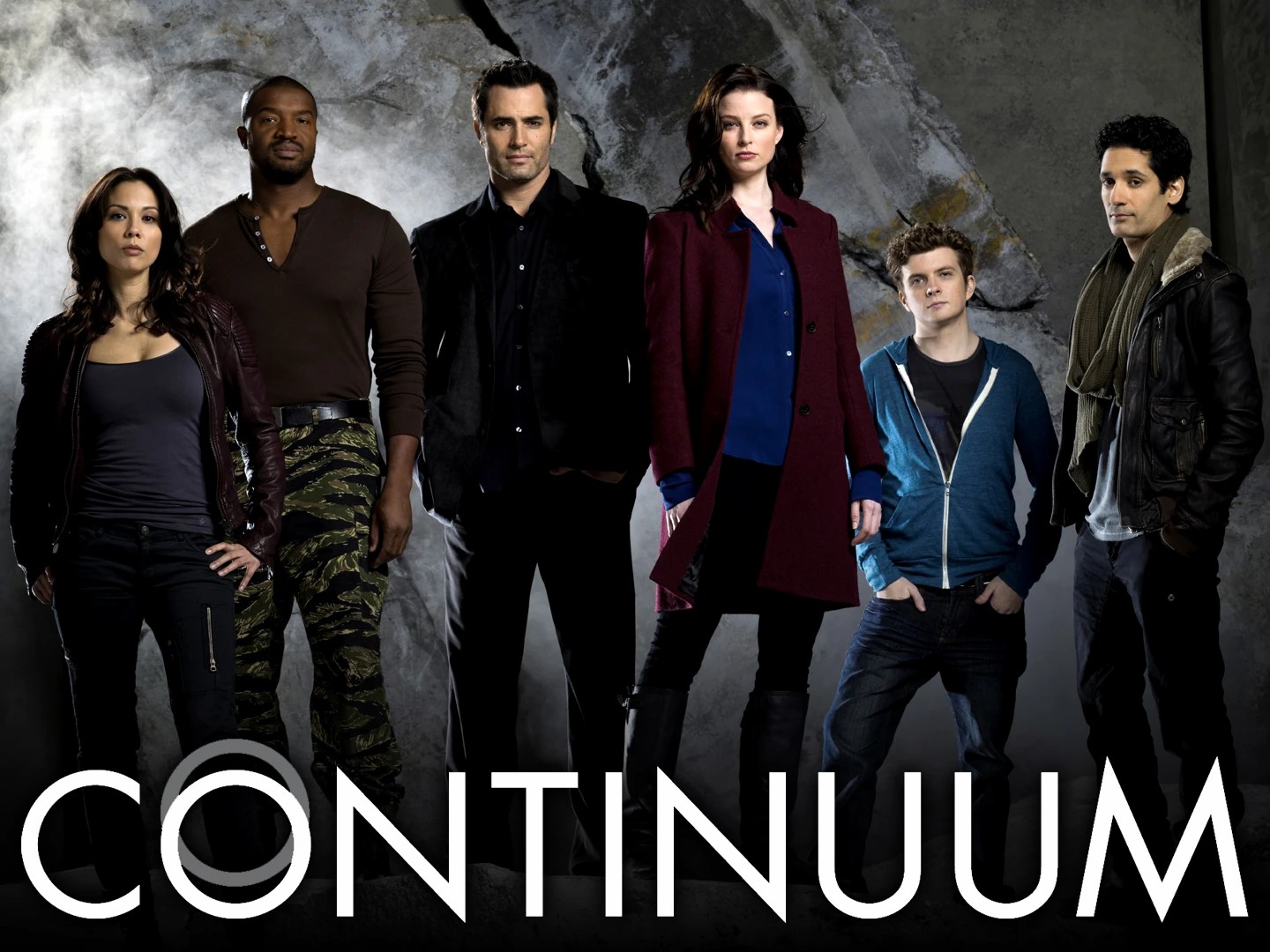
Continuum (2012–2015) is a science-fiction television series that blends time travel with political thriller elements, setting itself apart through moral complexity and long-term consequences rather than simple paradox-driven plots. Created by Simon Barry, the show explores how ideals, extremism, and power evolve over time, and whether changing the future is an act of heroism or hubris.
The series follows Kiera Cameron, a law enforcement officer from the year 2077 who is accidentally sent back to present-day Vancouver while pursuing a group of convicted terrorists known as Liber8. Cut off from her husband, child, and future, Kiera works with local police and a young tech genius to stop Liber8 from altering the timeline. As the story unfolds, the lines between villain and freedom fighter blur, forcing both Kiera and the audience to question which version of the future is worth protecting.
At its core, Continuum is about ideology and compromise. Liber8’s members are ruthless and violent, yet their actions are rooted in opposition to a corporate-dominated future where personal freedom has been stripped away. The show avoids easy answers, presenting a world where justice depends on perspective, and where attempts to preserve or change history carry devastating personal and societal costs.

The cast and characters are a key strength of the series, led by Rachel Nichols as the determined yet emotionally conflicted Kiera Cameron. Victor Webster portrays Carlos Fonnegra, a grounded and principled detective whose evolving trust in Kiera anchors the present-day storyline. Erik Knudsen shines as Alec Sadler, the young inventor whose future self becomes central to the timeline’s darkest possibilities, while Tony Amendola delivers a standout performance as Edouard Kagame, Liber8’s calculating and philosophical leader.
The series balances procedural storytelling with serialized arcs, gradually expanding its scope to include shifting timelines, alternate futures, and the unintended consequences of interference. As the seasons progress, Continuum becomes increasingly introspective, focusing less on action and more on identity, sacrifice, and the personal cost of standing by one’s beliefs.
Critically, Continuum was well received, particularly for its smart writing, strong performances, and nuanced approach to time travel. While it never reached mainstream blockbuster popularity, the series developed a dedicated fanbase and enjoyed solid ratings on Showcase and later Syfy. Its four-season run allowed the story to reach a planned conclusion, a rarity for sci-fi television, and it remains respected for delivering a complete and coherent narrative.
Ultimately, Continuum stands out as a thoughtful exploration of time travel that treats the future not as a playground, but as something fragile and contested. By refusing to define clear heroes or villains, the series challenges viewers to confront uncomfortable questions about progress, resistance, and whether the ends can ever truly justify the means.

