





Moon (2009): Isolation, Identity, and the Cost of Progress
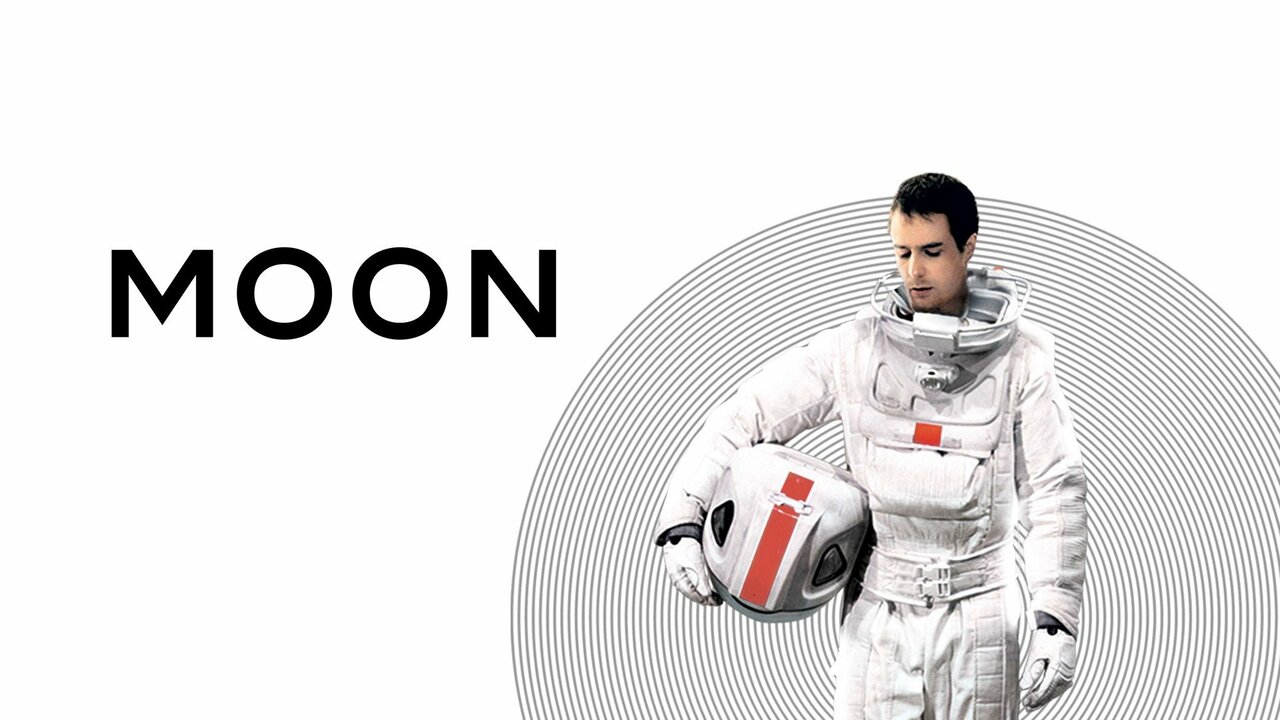
Moon (2009) is a quiet, haunting science-fiction film that proves big ideas don’t require massive budgets or explosive action. Directed by Duncan Jones, the film strips sci-fi down to its essentials, using isolation and introspection to explore identity, corporate ethics, and what it truly means to be human. Rather than overwhelming the audience with spectacle, Moon invites them into a slow, unsettling psychological journey.
Set in the near future, the story follows Sam Bell, a lone worker stationed on a lunar base where he oversees the harvesting of helium-3, a resource vital to Earth’s energy needs. As Sam approaches the end of his three-year contract, cracks begin to form in his routine. Strange visions, accidents, and unsettling discoveries force him to question his reality, his purpose, and the nature of his existence. The Moon itself becomes a character—silent, vast, and indifferent—amplifying the film’s sense of loneliness.
At its core, Moon is a story about identity and disposability. The film raises deeply uncomfortable questions about how corporations value productivity over humanity, and whether individuality still matters in a future driven by efficiency. Sam’s struggle is not against an alien threat or a hostile environment, but against the realization that his life may be far less unique—and far more controlled—than he ever imagined.
The film’s cast is intentionally minimal, reinforcing its themes of isolation. Sam Rockwell delivers a powerful dual performance as Sam Bell, carrying nearly the entire film through subtle shifts in emotion, physicality, and personality. Kevin Spacey voices GERTY, the base’s artificial intelligence, whose calm, polite demeanor masks a morally complex role that challenges traditional portrayals of AI in science fiction.
Visually, Moon is restrained but effective. Practical sets, model work, and muted color palettes create a believable, lived-in environment that feels both realistic and claustrophobic. Clint Mansell’s atmospheric score enhances the emotional weight of the story, balancing melancholy with quiet tension and reinforcing the film’s introspective tone.

What makes Moon endure is its emotional honesty. It doesn’t rush to explain everything, nor does it rely on shock for impact. Instead, it trusts the audience to sit with discomfort, to empathize with Sam’s confusion and fear, and to reflect on the ethical implications long after the film ends. It’s science fiction that prioritizes thought over action, character over concept.
Ultimately, Moon is a meditation on what we owe to the people who keep the world running—often unseen and unacknowledged. It asks whether survival and progress are worth the cost when humanity becomes expendable. Quiet, intelligent, and deeply human, Moon stands as one of the most compelling and underrated sci-fi films of its era.

