



Wonder Woman (1975–1979) — The Iconic Series That Redefined Female Superheroes
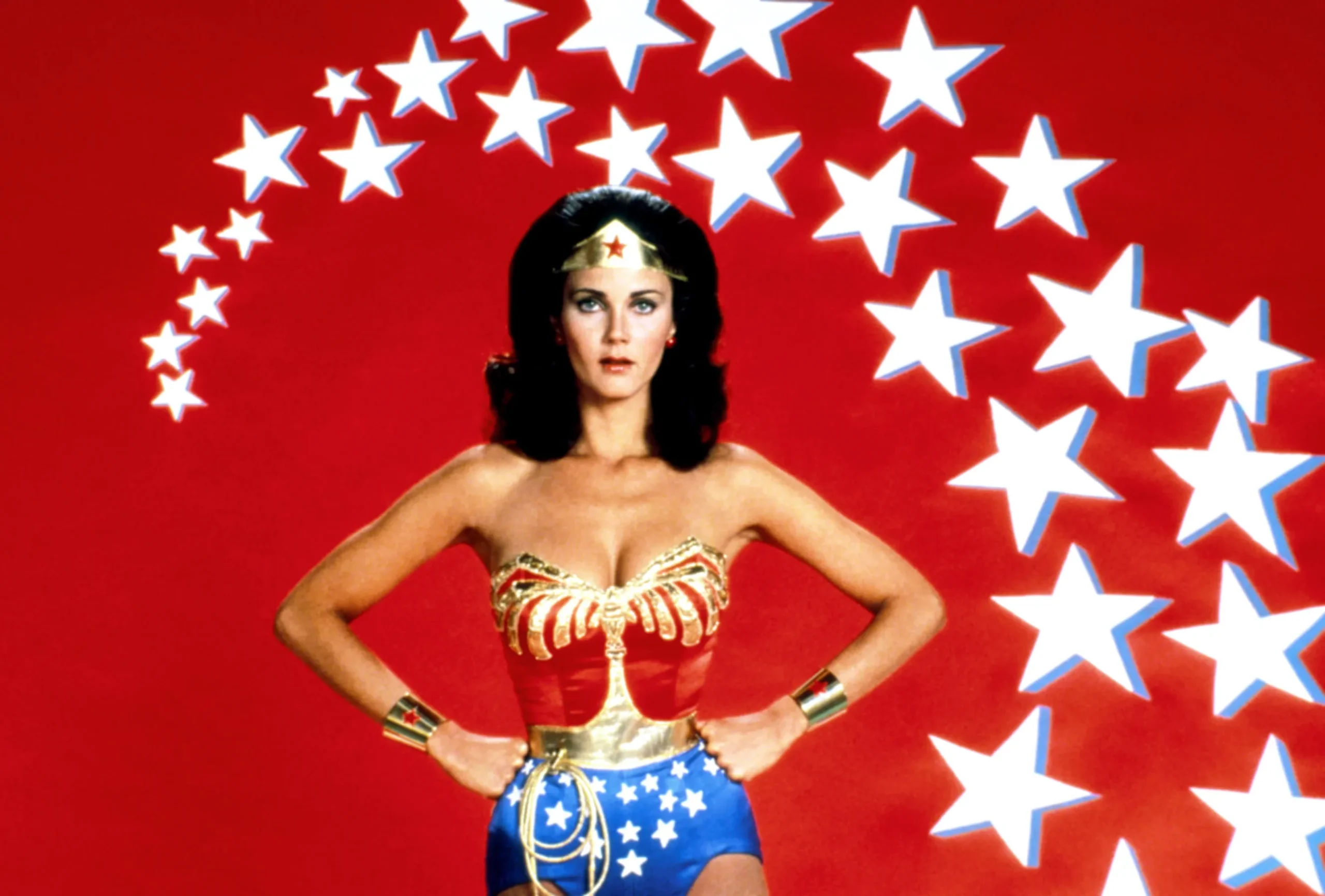
Long before the DC Extended Universe brought Wonder Woman to life on the big screen, there was the groundbreaking Wonder Woman TV series, starring Lynda Carter. Airing from 1975 to 1979, the show remains one of the most iconic superhero series in television history, cementing Wonder Woman as a pop culture symbol of strength, justice, and empowerment.
The Origins of a Hero
Developed by Douglas S. Cramer and Stanley Ralph Ross, the Wonder Woman series was based on the DC Comics character created by William Moulton Marston. The pilot episode aired in 1975 as a made-for-TV movie titled The New Original Wonder Woman, which immediately captured the imagination of audiences.
The show starred Lynda Carter as Diana Prince/Wonder Woman and Lyle Waggoner as Steve Trevor, her ally and love interest.
The Story
Set during World War II (in its first season), the series followed Diana Prince, an Amazon princess from the hidden island of Themyscira. Gifted with superhuman strength, agility, and compassion, Diana leaves her homeland to help humanity in its time of need.
Using her powers — and iconic gadgets like her Lasso of Truth, bullet-deflecting bracelets, and invisible jet — Wonder Woman fought Nazis, criminals, and other villains to protect peace and justice.
When the show moved to CBS in its second season, the setting shifted to modern-day America, with Diana now working for a government agency while continuing her heroic missions in the 1970s.

Lynda Carter: The Defining Wonder Woman
Lynda Carter’s portrayal of Wonder Woman remains legendary. Her charm, grace, and quiet strength made the character more than just a superhero — she became a symbol of hope and empowerment. Carter’s performance struck a balance between warmth and power, making her version of Diana both relatable and inspiring.
Her portrayal became so iconic that even decades later, Gal Gadot, who took on the role in the modern films, has credited Carter’s Wonder Woman as an influence. Carter herself even made a cameo appearance in Wonder Woman 1984 (2020) as Asteria, an Amazonian legend.
Reception and Cultural Impact
At a time when female-led action series were rare, Wonder Woman broke boundaries. It showcased a woman as both the central hero and the moral core of the story — without needing to be rescued or overshadowed by her male counterparts.
The show’s mix of action, humor, and idealism struck a chord with audiences. It ran for three seasons and inspired generations of fans, particularly young girls who saw in Wonder Woman a reflection of empowerment, courage, and equality.
While some of its effects and costumes might seem dated today, its legacy endures. Wonder Woman proved that a female superhero could carry a series with heart, style, and strength — paving the way for later heroines like Buffy the Vampire Slayer, Supergirl, and Jessica Jones.
Why It Still Matters
Nearly 50 years after its debut, Wonder Woman (1975–1979) remains one of the most beloved superhero series ever made. It’s colorful, campy, and sincere — yet carries timeless themes of truth, compassion, and justice.
The series didn’t just bring a comic book icon to television — it brought hope, representation, and inspiration to an entire generation. For fans of superhero history, Wonder Woman isn’t just a show worth revisiting; it’s a cultural milestone that continues to shine bright in the pantheon of television classics.