


“Altered Carbon”: The Sci-Fi Noir That Pushed Boundaries — and Was Gone Too Soon

When Altered Carbon premiered on Netflix in 2018, it brought to the screen a bold, unapologetically adult vision of the future — a neon-drenched cyberpunk mystery wrapped in noir sensibilities, philosophical questions about identity, and a visual style that rivaled blockbuster movies. Adapted from Richard K. Morgan’s 2002 novel, Altered Carbon was ambitious, stylish, and unlike anything else on TV at the time — and its impact lingers even though it ended after just two seasons.
A Future Where Death is Optional
At its core, Altered Carbon is a mind-bending exploration of immortality. In its world, human consciousness can be digitized and stored in devices called “stacks,” which are implanted at the base of the skull. Bodies, or “sleeves,” are simply vessels — interchangeable and replaceable if you have enough money or power.
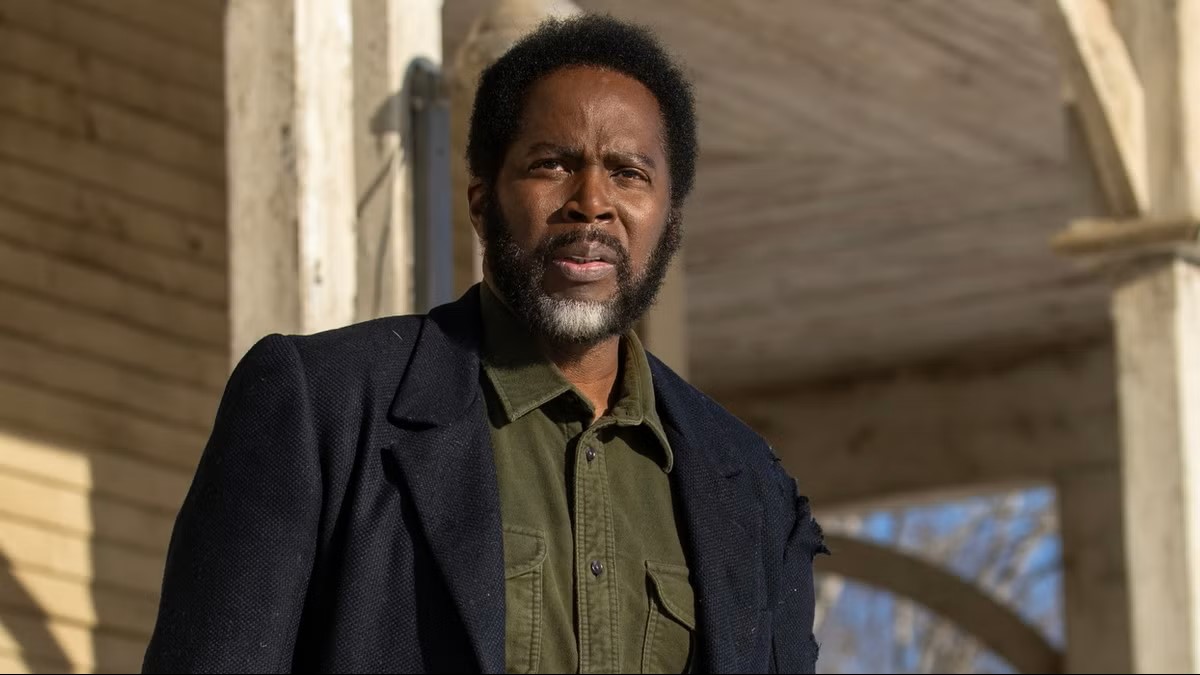
The series follows Takeshi Kovacs, a former soldier turned rebel who wakes up centuries after his consciousness was imprisoned. In Season 1, Kovacs is revived in a new sleeve (played by Joel Kinnaman) by Laurens Bancroft (James Purefoy), an ultra-rich “Meth” (Methuselah) who’s lived for hundreds of years by swapping bodies. Bancroft hires Kovacs to solve the mystery of his own apparent murder, kicking off a gritty detective story in a world where death has lost its meaning — but justice hasn’t.
A Stylish Cyberpunk Noir
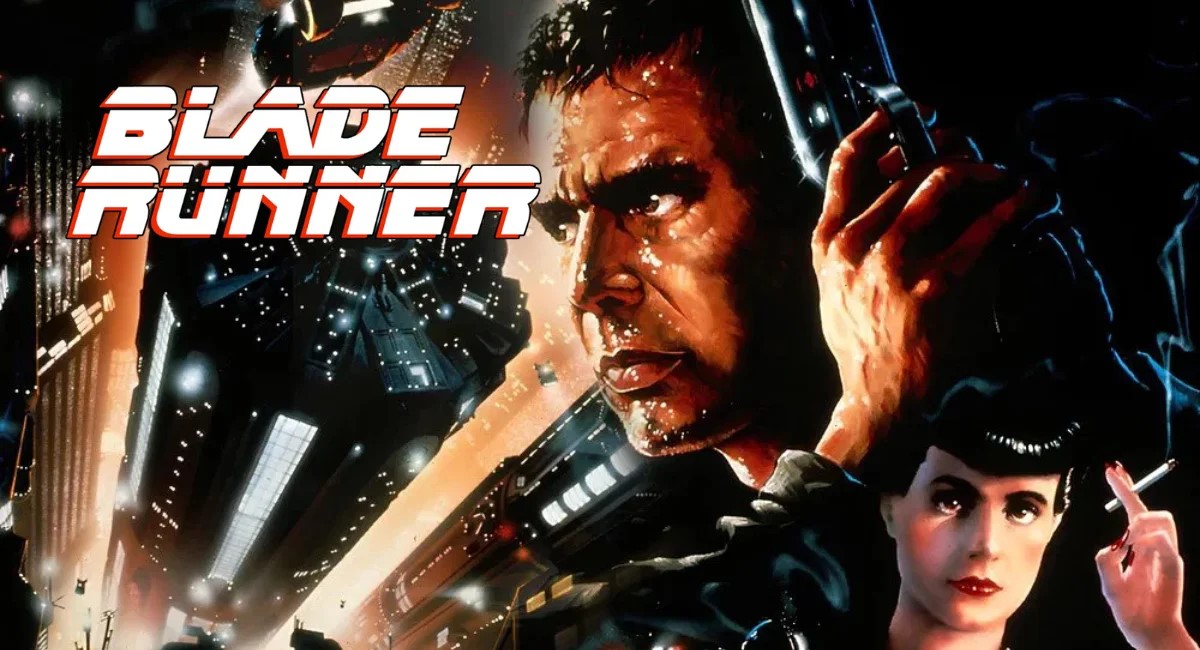
Altered Carbon drew immediate comparisons to Blade Runner, thanks to its rain-soaked mega-city, neon signs, flying cars, and a society divided by obscene wealth gaps. But beyond the aesthetics, the show asked heavy questions: What happens when only the rich can live forever? Who are you if your body is disposable? Can the human soul really survive endless reincarnation?
Season 1 masterfully mixed high-concept sci-fi with classic detective noir tropes — a gruff antihero, double-crosses, corrupt corporations, and an underworld of black market body trading and virtual reality brothels.
Season 2 and the End
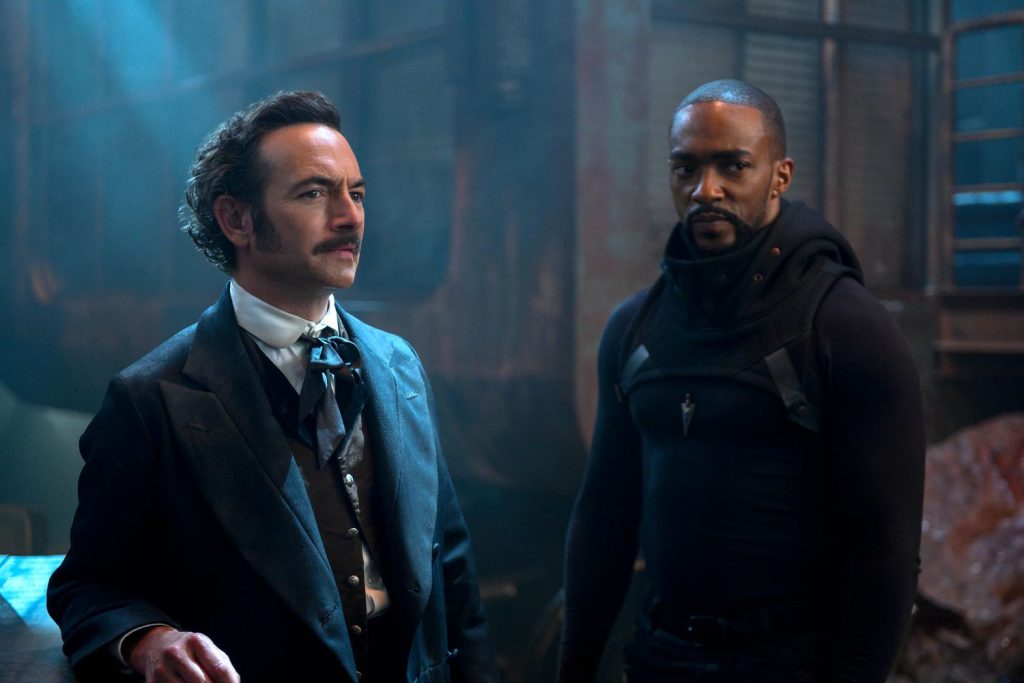
Season 2 dropped in 2020, with Anthony Mackie stepping into Kovacs’ sleeve — a bold reminder of the show’s core idea: the protagonist’s mind can live on in different bodies. Season 2 shifted focus from gritty detective work to a more personal story, as Kovacs sought to find his long-lost love, Quellcrist Falconer (Renée Elise Goldsberry), the revolutionary who first fought against the elites’ quest for immortality.
While Season 2 still had stunning visuals and a great cast, it didn’t land quite as strongly with audiences or critics as the first season did. In 2020, Netflix cancelled Altered Carbon, citing production costs and a lukewarm reception — leaving the show’s mind-bending universe without a clear conclusion.
Why It’s Still Worth Watching
Despite its abrupt end, Altered Carbon remains a must-watch for sci-fi fans. Its fearless world-building, adult themes, and willingness to tackle heady philosophical questions make it stand out from other sci-fi shows of its era. Its fight choreography, VFX, and cyberpunk aesthetics set a high bar for Netflix’s genre output.
If you love shows like Blade Runner, Westworld, or Black Mirror, Altered Carbon deserves a place on your watchlist. It’s a reminder of what happens when sci-fi goes big — asking what makes us human when our minds can live forever, but our souls may not.
While we may never see Takeshi Kovacs’ final chapter, the world of Altered Carbon lingers in the mind long after the credits roll — much like a stack waiting to be spun back up, one day.