




Blade Runner: Humanity, Memory, and the Price of Being Alive
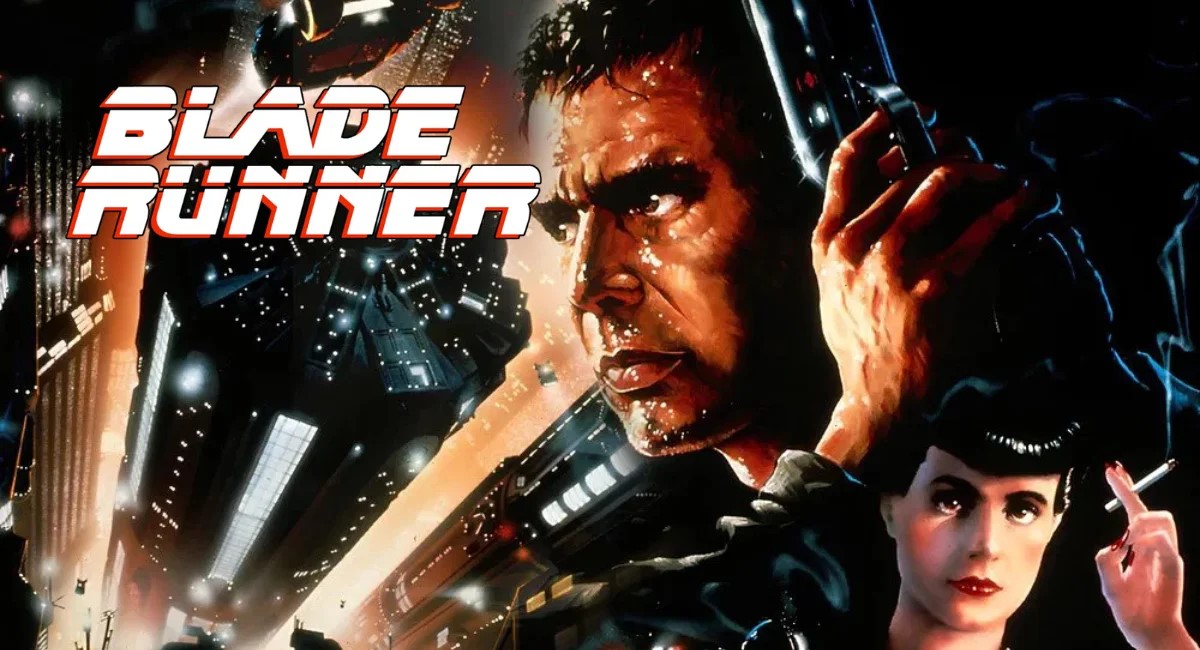
Blade Runner (1982) is a landmark science-fiction film that reshaped the genre through its fusion of noir aesthetics, philosophical depth, and dystopian world-building. Directed by Ridley Scott and loosely based on Philip K. Dick’s novel Do Androids Dream of Electric Sheep?, the film asks one of science fiction’s most enduring questions: what truly makes someone human?
Set in a rain-soaked, neon-lit Los Angeles of 2019, the story follows Rick Deckard, a former blade runner tasked with “retiring” rogue replicants—bioengineered beings created to serve humanity. These replicants, nearly indistinguishable from humans, have returned to Earth seeking longer lives and freedom from the limits imposed on them. As Deckard hunts them down, the moral clarity of his mission begins to unravel, forcing him to confront the ethics of his work and his own identity.
At its core, Blade Runner is a meditation on mortality and memory. The replicants’ struggle is not rooted in domination or conquest, but in the desire to live—to experience more time, more meaning, and more connection. Their artificial memories and shortened lifespans mirror very human fears of impermanence, blurring the line between creator and creation. The film’s deliberate pacing allows these ideas to surface gradually, rewarding contemplation rather than instant gratification.

The cast and characters are central to the film’s lasting impact, with Harrison Ford delivering a restrained, introspective performance as Rick Deckard, and Rutger Hauer giving an unforgettable portrayal of Roy Batty, whose search for life culminates in one of cinema’s most iconic monologues. Sean Young brings vulnerability and mystery to Rachael, a replicant who believes she is human, while Edward James Olmos adds quiet menace as the enigmatic Gaff.
Visually, Blade Runner is revolutionary. Its dense urban landscapes, oppressive architecture, and constant rain create a world that feels alive yet suffocating. The blend of futuristic technology with decaying infrastructure established the visual language of cyberpunk, influencing countless films, games, and anime for decades. Vangelis’ atmospheric score further enhances the film’s melancholic tone, reinforcing its themes of loneliness and longing.
Upon release, Blade Runner received mixed critical reviews and underperformed at the box office, earning around $40 million worldwide against a high production budget. However, the film’s reputation grew dramatically over time through home video releases and director’s cuts, leading to widespread critical reappraisal. Today, it is regarded as one of the greatest science-fiction films ever made and a defining work of cinematic world-building.
Ultimately, Blade Runner endures because it refuses easy answers. It does not tell viewers what it means to be human—it asks them to decide. Through its haunting imagery, tragic characters, and philosophical depth, the film remains a timeless exploration of life, identity, and the fleeting nature of existence.

