
V (2009): The Ambitious Sci-Fi Reboot That Ended Too Soon
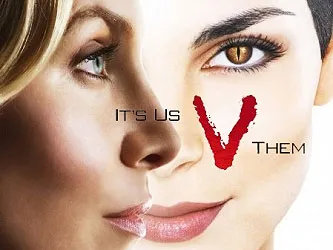
In 2009, ABC revisited one of the most iconic science fiction miniseries of the 1980s with the reboot of V. Originally created by Kenneth Johnson, the story of alien Visitors arriving on Earth with hidden motives had captivated audiences decades earlier. The new version sought to modernize the premise for a post-9/11 world, weaving themes of trust, politics, and power into a glossy sci-fi package. Though it generated initial buzz, V (2009) ultimately lasted only two seasons before being canceled, leaving fans with unanswered questions.
The Premise
V centers on the arrival of enormous alien motherships over major cities worldwide. The aliens, known as “Visitors,” appear human and claim to come in peace, offering technological advancements, medical cures, and promises of friendship. However, beneath their friendly facade lies a sinister plan to manipulate, control, and ultimately exploit humanity.
The show’s central conflict follows a small resistance group of humans who uncover the truth and fight to expose the Visitors’ real intentions. This dynamic of hope versus deception, and peace versus control, carried over from the original 1983 miniseries but was updated with a modern political and social lens.
The Cast
The reboot featured a strong ensemble cast:
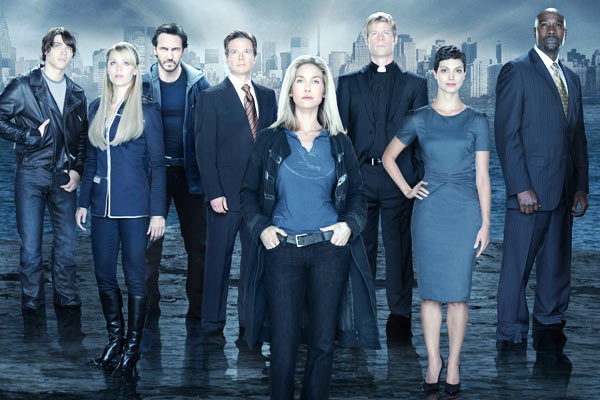
Elizabeth Mitchell (Lost) as Erica Evans, an FBI counter-terrorism agent who becomes one of the leaders of the resistance after discovering the Visitors’ secret.
Morena Baccarin (Firefly, Homeland) as Anna, the enigmatic and ruthless Queen of the Visitors whose calm demeanor masks her true power.
Morris Chestnut as Ryan Nichols, a Visitor who betrays his species to fight for humanity.
Joel Gretsch as Father Jack Landry, a priest struggling to balance faith with the moral weight of resisting the Visitors.
Logan Huffman as Tyler Evans, Erica’s teenage son who becomes enamored with the Visitors.
Laura Vandervoort as Lisa, Anna’s daughter, whose conflicted loyalties create one of the show’s most intriguing arcs.
What Made V (2009) Unique
Modernized Themes: Unlike the Cold War-inspired 1980s original, the reboot leaned into post-9/11 anxieties — terrorism, government trust, and manipulation of the media.
A Charismatic Villain: Morena Baccarin’s portrayal of Anna was widely praised. Her cold, calculating performance became the face of the series.
Visual Effects: With high-definition visuals, massive motherships, and chilling alien reveals, V was one of the most visually ambitious network shows of its time.
Moral Dilemmas: The show explored how humanity might react to an advanced alien species — embracing them out of hope or resisting them out of fear.
Why It Was Canceled
Despite its strong start and impressive special effects, V (2009) struggled with consistency.
Ratings Decline: The show premiered to over 14 million viewers but quickly saw steep drops as episodes progressed.
Scheduling Issues: ABC split the first season into two parts, causing momentum to fizzle.
Criticism of Pacing: Many viewers and critics felt the show took too long to build tension, focusing too much on character drama instead of action.
Cliffhanger Ending: Season 2 ended with shocking reveals — including Anna’s full control over humanity and Lisa’s fate — but the show was canceled shortly after, leaving the story unfinished.
Legacy
Though short-lived, V (2009) still retains a loyal cult following. Fans praise Morena Baccarin’s unforgettable villain and the show’s ambitious attempt to balance character drama with science fiction spectacle. Unfortunately, its cancellation cemented its status as another high-potential but unfinished network sci-fi project.
For many, V (2009) serves as both a reminder of how daring network television can be — and how fragile success is when ratings falter.