




The Moral Abyss of “Prisoners”: A Masterclass in Tension and Desperation Still Haunting Audiences

Thirteen years after its theatrical debut, Denis Villeneuve’s Prisoners remains a towering achievement in the thriller genre. Starring Hugh Jackman and Jake Gyllenhaal, the film transcends the standard “missing child” procedural to become a harrowing exploration of how quickly the thin veneer of civilization can strip away when faced with unimaginable grief. Set against the bleak, rain-soaked backdrop of Pennsylvania, the story follows the disappearance of two young girls and the contrasting paths their fathers and the law take to find them.
The heart of the film lies in the transformation of Keller Dover, played with raw, terrifying intensity by Hugh Jackman. When the primary suspect, a mentally impaired man named Alex Jones (Paul Dano), is released due to a lack of physical evidence, Dover takes the law into his own hands. The film poses a devastating moral question: how far can a “good man” go in the name of protecting his family before he becomes the very monster he is hunting? Dover’s descent into kidnapping and torture turns the audience into silent accomplices, forcing a confrontation with the dark impulses of vigilante justice.
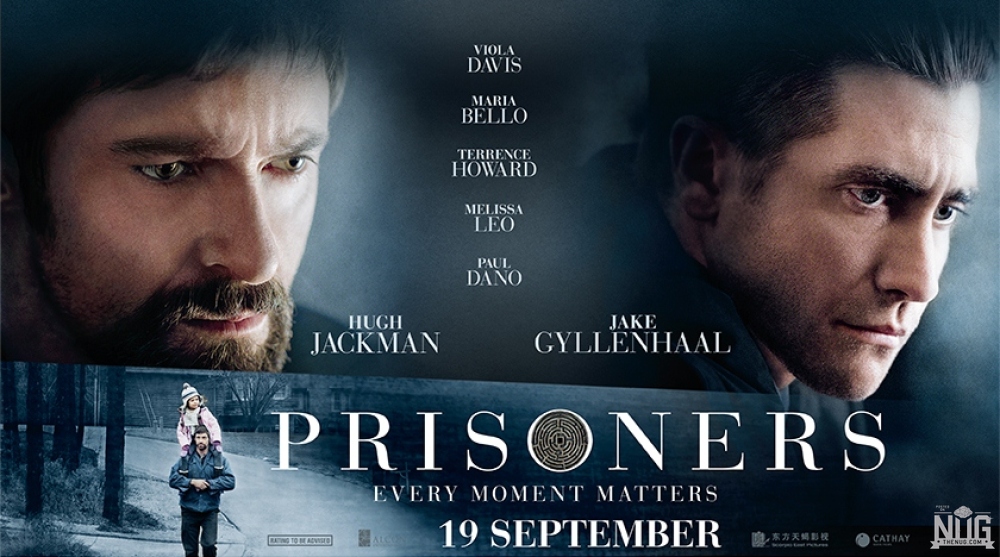
Parallel to Dover’s spiral is Detective Loki, portrayed by Jake Gyllenhaal with a controlled, twitchy brilliance. Loki represents the systemic side of justice—methodical, constrained by rules, and burdened by the weight of every unsolved case etched into his psyche. The chemistry between the two leads creates a suffocating tension; they are two men moving toward the same goal from opposite sides of the moral spectrum. Supported by a haunting, Academy Award-nominated cinematography from Roger Deakins, the film uses shadows and claustrophobic framing to mirror the labyrinthine mystery the characters are trapped in.
Even in 2026, Prisoners is frequently cited as the definitive “feel-bad” masterpiece that redefined the modern noir. Its ending remains one of the most discussed “final notes” in cinema, leaving viewers with a lingering whistle in the wind and a profound sense of unease. By refuses to offer easy answers or a traditional “heroic” catharsis, Villeneuve created a film that doesn’t just tell a story about a crime, but conducts a surgical examination of the human soul under extreme pressure. It stands as a reminder that in the search for truth, the things we lose along the way are often more valuable than the answers we find.
