



The Shining (1980): Stanley Kubrick’s Masterpiece of Psychological Horror
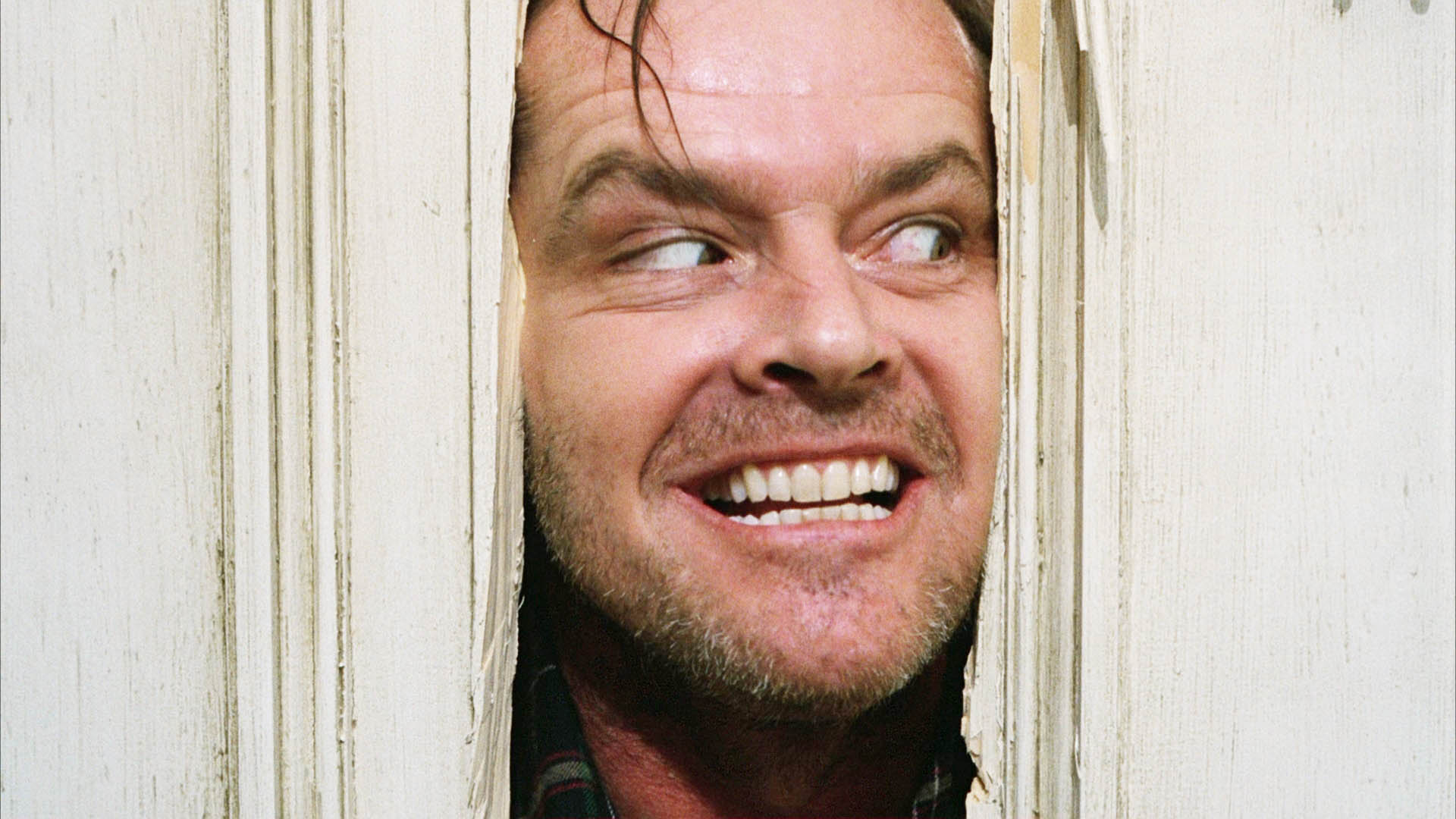
Few films in the history of cinema have left as lasting an impression on audiences as The Shining (1980). Directed by Stanley Kubrick and based (loosely) on Stephen King’s 1977 novel of the same name, the movie has become one of the most iconic horror films of all time. With its chilling performances, unsettling atmosphere, and groundbreaking visuals, The Shining transcends the genre, leaving viewers haunted long after the credits roll.
The Story
At its core, The Shining tells the story of Jack Torrance (Jack Nicholson), an aspiring writer who takes a job as the winter caretaker of the remote Overlook Hotel. He moves in with his wife Wendy (Shelley Duvall) and young son Danny (Danny Lloyd), who possesses psychic abilities known as “the shining,” allowing him to see the hotel’s horrifying past and future.
As the snow traps them inside, Jack slowly descends into madness under the influence of the hotel’s malevolent presence, putting his family in mortal danger.
The Cast
Jack Nicholson as Jack Torrance, delivering one of cinema’s most memorable unhinged performances.
Shelley Duvall as Wendy Torrance, whose vulnerable yet resilient portrayal has been reevaluated over time.
Danny Lloyd as Danny Torrance, the child with psychic powers.
Scatman Crothers as Dick Hallorann, the cook who also has “the shining” and tries to help Danny.
Kubrick’s Vision
While Stephen King has been famously critical of Kubrick’s adaptation (feeling it strayed too far from his novel), Kubrick crafted a film that focuses less on supernatural scares and more on psychological dread. His meticulous direction, long tracking shots, and use of silence create an oppressive atmosphere where tension builds slowly until it’s unbearable.
The film’s use of the Steadicam, then a relatively new technology, allowed Kubrick to follow characters through the vast, maze-like corridors of the Overlook, making the hotel itself feel alive and threatening.
Iconic Moments
The Shining is packed with scenes that have become part of pop culture:
- Jack’s axe through the bathroom door with the line, “Here’s Johnny!”
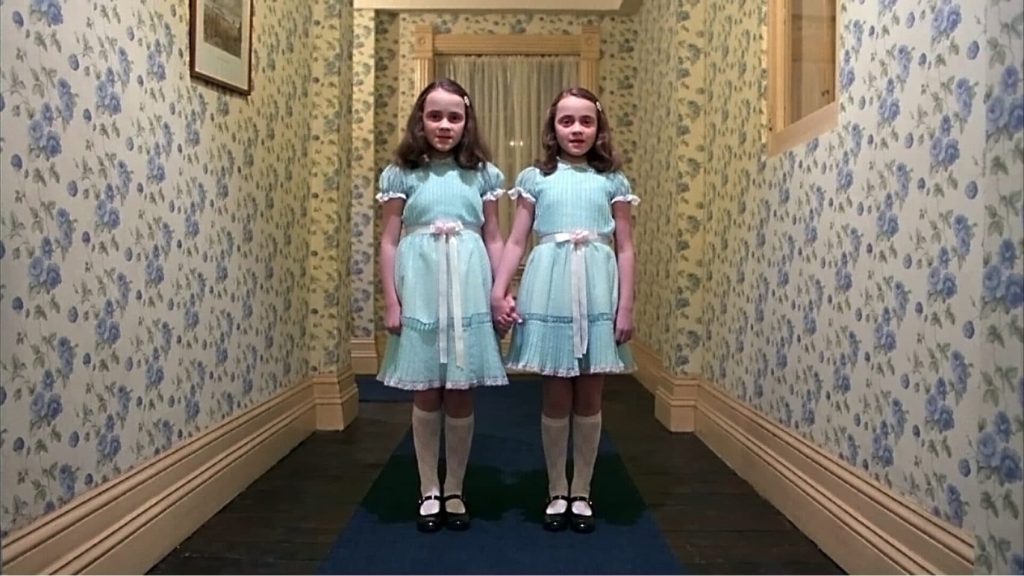
- The eerie twin girls in the hallway.
- Danny riding his tricycle through the hotel’s corridors.
- The blood flooding from the elevator.
Each moment has been parodied, referenced, and analyzed endlessly, cementing the film’s status as a cultural touchstone.
Reception and Legacy
Upon release, The Shining received mixed reviews. Some critics found it cold or confusing, while others praised its atmosphere and Nicholson’s performance. Over time, however, the film has been reappraised as a masterpiece and is now widely regarded as one of the greatest horror movies ever made.
The movie’s ambiguity, especially regarding whether the supernatural events are real or products of Jack’s madness, has inspired decades of debate and analysis. Entire documentaries and books have been dedicated to interpreting its hidden meanings, including theories about Native American genocide, the moon landing, and cycles of violence.
Final Thoughts
The Shining remains a landmark of cinema—an unsettling blend of psychological horror, supernatural mystery, and visual artistry. While Stephen King’s dissatisfaction with the adaptation is well-documented, Stanley Kubrick’s vision turned The Shining into a cultural phenomenon whose influence can be seen in countless films and television series that followed.
Over 40 years later, the film continues to terrify and fascinate audiences, proving that true horror is not just about monsters or ghosts—it’s about what lurks inside the human mind.
