



“Containment”: The 2016 Viral Outbreak Series That Hit Too Close to Home
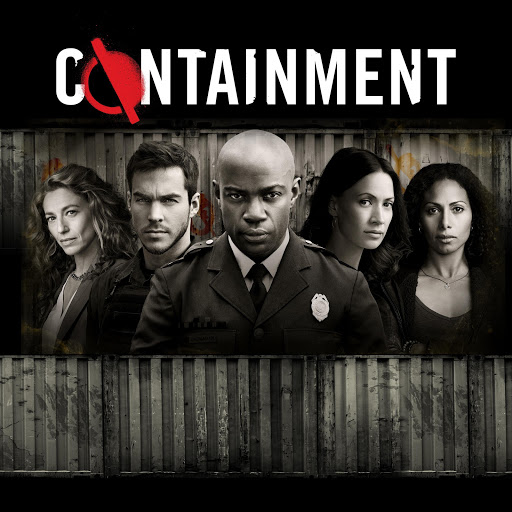
Before real-world pandemics became part of daily life, Containment arrived on TV in 2016 with a chilling what-if scenario: what happens when a deadly virus traps a section of a city in total quarantine? This short-lived but intense limited series turned a simple concept into gripping drama, showing how fear and survival can bring out both the best and worst in people — and why some stories hit harder than expected when reality catches up.
The Premise: An Outbreak No One Saw Coming
Containment aired on The CW and was developed by Julie Plec, best known for The Vampire Diaries. Unlike her usual supernatural fare, this show was rooted in unsettling realism. Based on the Belgian series Cordon, Containment imagined an ordinary day in Atlanta turned into a nightmare when a mysterious and highly contagious virus begins to spread.
The government acts fast — but perhaps not fast enough. A large section of the city is walled off, leaving those inside to fend for themselves. Cut off from loved ones and resources, they face dwindling supplies, panic, and a growing distrust of the authorities promising help from the outside.
The Characters Trapped Inside
The series followed several perspectives on both sides of the quarantine fence. Chris Wood starred as Jake Riley, a tough but compassionate cop assigned to maintain order inside the cordon. Claudia Black played Dr. Sabine Lommers, the government official in charge of containing the outbreak, while David Gyasi portrayed Major Alex Carnahan, a police officer coordinating the response outside the quarantine zone — and who happens to be Jake’s best friend.
Inside the cordon were everyday people caught in the chaos: Katie Frank (Kristen Gutoskie), a devoted school teacher trapped with her students; Jana Mayfield (Christina Moses), a tech worker desperate to survive; and Teresa Keaton (Hanna Mangan-Lawrence), a pregnant teenager determined to keep her baby safe in an increasingly lawless zone.
Together, their stories explored the lengths people will go to for love, survival, and truth when society’s safety nets collapse.

Why It Worked — and Why It Didn’t Last
Containment stood out for its tense, claustrophobic atmosphere and surprisingly human storytelling. Rather than focusing just on the virus itself, the show drilled into the human cost: families separated, neighbors turning on each other, and moral lines blurring when the world outside the wall keeps moving on.
However, despite its gripping premise and strong performances, Containment was always billed as a limited series. The story wrapped up its main arcs within its 13-episode run — but it left just enough open-ended questions that some fans hoped it might return. The CW decided not to pursue a second season, in part because the story had largely run its course, and partially because the dark, pandemic premise didn’t quite fit the network’s tone at the time.
A Show That Feels Different Now
When Containment first aired, its viral outbreak and quarantine story felt like pure fiction — but the COVID-19 pandemic a few years later gave the series an eerie new resonance. The mistrust, fear, misinformation, and resilience it depicted suddenly felt all too familiar.
Worth Revisiting
Today, Containment stands as an intense, thought-provoking watch that explores how society responds under pressure — and how fragile the idea of “normal” really is. If you enjoy grounded thrillers like Outbreak or 28 Days Later but with more human drama than horror, Containment is worth seeking out.
One season, one cordon — and a haunting reminder that sometimes the scariest threats aren’t monsters or aliens, but what happens when the world you know seals you in and the only way out is to face your fears — and each other.
