





X-Men (2000) — The Film That Revolutionized the Superhero Genre
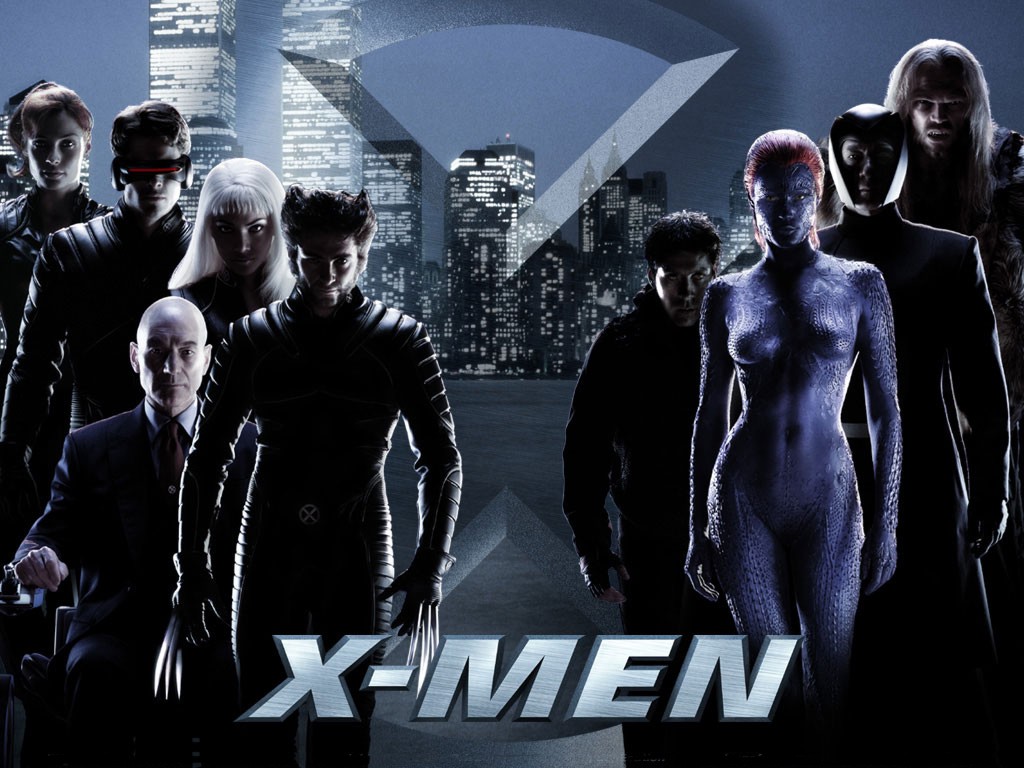
Released in July 2000, X-Men was more than just a comic book adaptation — it was the film that reignited Hollywood’s belief in the superhero genre. Directed by Bryan Singer, the movie brought Marvel’s team of mutant heroes to the big screen with a grounded, character-driven approach that set the tone for the next two decades of comic book cinema.
Before Spider-Man, before the MCU, and before The Dark Knight, there was X-Men — a bold, intelligent blockbuster that proved superhero stories could have emotional depth and real-world relevance.
A New Kind of Superhero Story
Set in a world where humans fear and persecute mutants — people born with extraordinary powers — X-Men follows two opposing leaders in the mutant community: Professor Charles Xavier (played by Patrick Stewart), who advocates for peace and coexistence, and Magneto (played by Ian McKellen), who believes that mutants must rise above humanity to survive.
Caught in the middle are Wolverine (Hugh Jackman, in his breakout role) and Rogue (Anna Paquin), two wandering mutants who find themselves drawn into the conflict between Xavier’s X-Men and Magneto’s Brotherhood of Mutants.
What unfolds is a story not just about superpowers, but about prejudice, identity, and acceptance — themes that resonated deeply with audiences then and now.
A Stellar Cast
The film’s success was driven by a perfectly assembled cast that brought authenticity to each character:
- Hugh Jackman as Logan / Wolverine, the gruff, reluctant hero with a mysterious past and unbreakable claws.
- Patrick Stewart as Professor Charles Xavier, the calm, idealistic leader of the X-Men.
- Ian McKellen as Magneto, the charismatic yet tragic antagonist shaped by his experiences during the Holocaust.
- Famke Janssen as Jean Grey, the compassionate telepath struggling with her growing powers.
- James Marsden as Cyclops, Jean’s disciplined and loyal partner.
- Halle Berry as Storm, a mutant who can control the weather.
- Anna Paquin as Rogue, a young mutant whose touch can drain life and powers — a curse that isolates her from others.
- Rebecca Romijn as Mystique, Magneto’s shapeshifting and deadly right hand.
Each actor added emotional complexity to their roles, grounding the fantasy in believable human emotion.
Themes and Tone
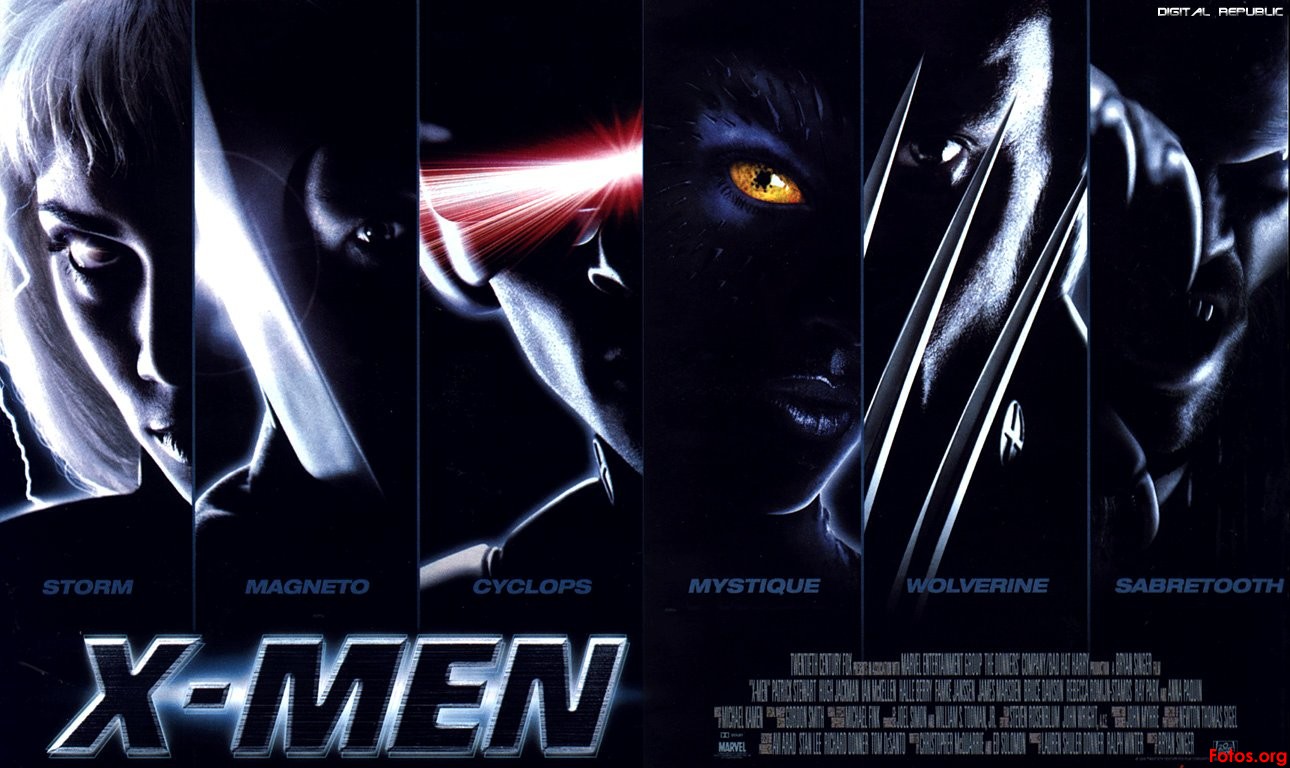
Unlike the campy superhero films of the 1990s, X-Men opted for a more serious and realistic tone, exploring social discrimination as a metaphor for racism, homophobia, and other forms of intolerance. This thematic depth elevated the film beyond standard action fare, making it relatable to a wider audience.
Singer’s direction emphasized character development and moral conflict over spectacle — a choice that paid off by making the mutants’ struggle feel authentic and human.
Critical and Commercial Success
X-Men was both a critical and commercial hit, grossing nearly $300 million worldwide on a modest $75 million budget. Critics praised its strong performances, especially from Stewart, McKellen, and Jackman, as well as its thoughtful storytelling and sleek visual style.
More importantly, the film’s success revived interest in superhero movies, paving the way for the Spider-Man trilogy, The Dark Knight, and the Marvel Cinematic Universe. Without X-Men, the modern superhero boom might never have happened.
Legacy
Over 20 years later, X-Men (2000) remains a cornerstone of superhero cinema. It spawned a massive franchise — including multiple sequels, prequels, and spinoffs like Logan, Deadpool, and Dark Phoenix.
It also introduced audiences to Hugh Jackman’s Wolverine, who would go on to become one of the most iconic characters in film history.
Why It Still Matters
What makes X-Men timeless is how it used the superhero genre to tell a universal story about fear, hope, and acceptance. Beneath the flashy powers and comic book costumes lies a message that continues to resonate: that being different isn’t something to be feared — it’s something to be celebrated.
In many ways, X-Men (2000) didn’t just launch a franchise. It changed cinema forever.
