




Alien (1979): The Sci-Fi Horror Classic That Changed Cinema
Released in 1979, Alien remains one of the most influential science fiction horror films of all time. Directed by Ridley Scott and written by Dan O’Bannon, the film redefined both genres, combining futuristic space travel with the claustrophobic terror of a monster movie. Its chilling tagline — “In space no one can hear you scream” — perfectly captured the atmosphere that made it legendary.
Plot Summary
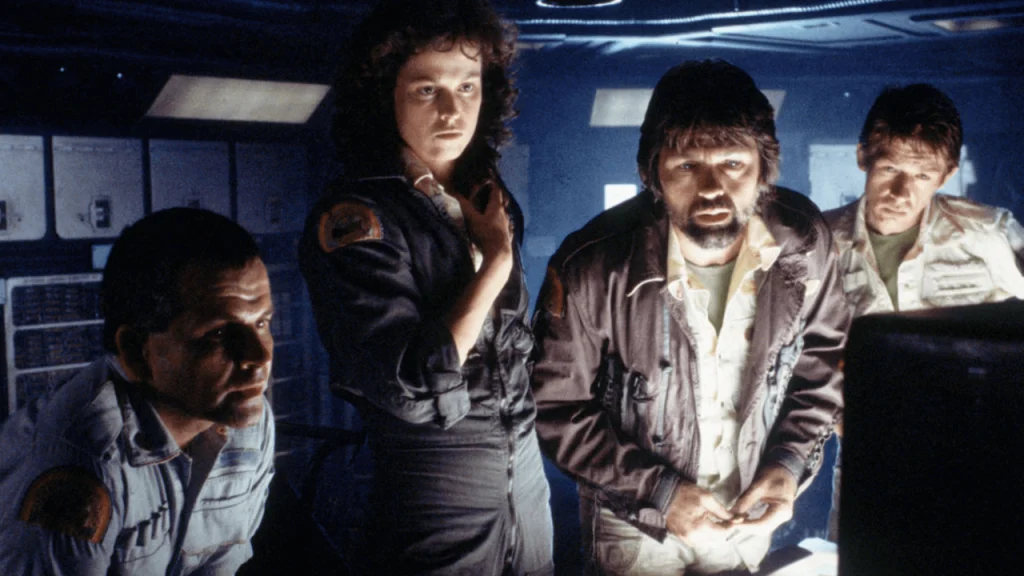
Set in the late 21st century, the film follows the commercial space tug Nostromo and its crew, who are awakened from hypersleep after receiving a mysterious distress signal from a nearby moon. Investigating the source, they discover a derelict alien spacecraft and a strange chamber filled with eggs.
When one of the creatures — later known as a Facehugger — attaches itself to Kane (John Hurt), it sets off a chain of terrifying events. The parasitic creature eventually gives birth to the Xenomorph, a horrifying alien that stalks the crew one by one in the ship’s tight corridors.
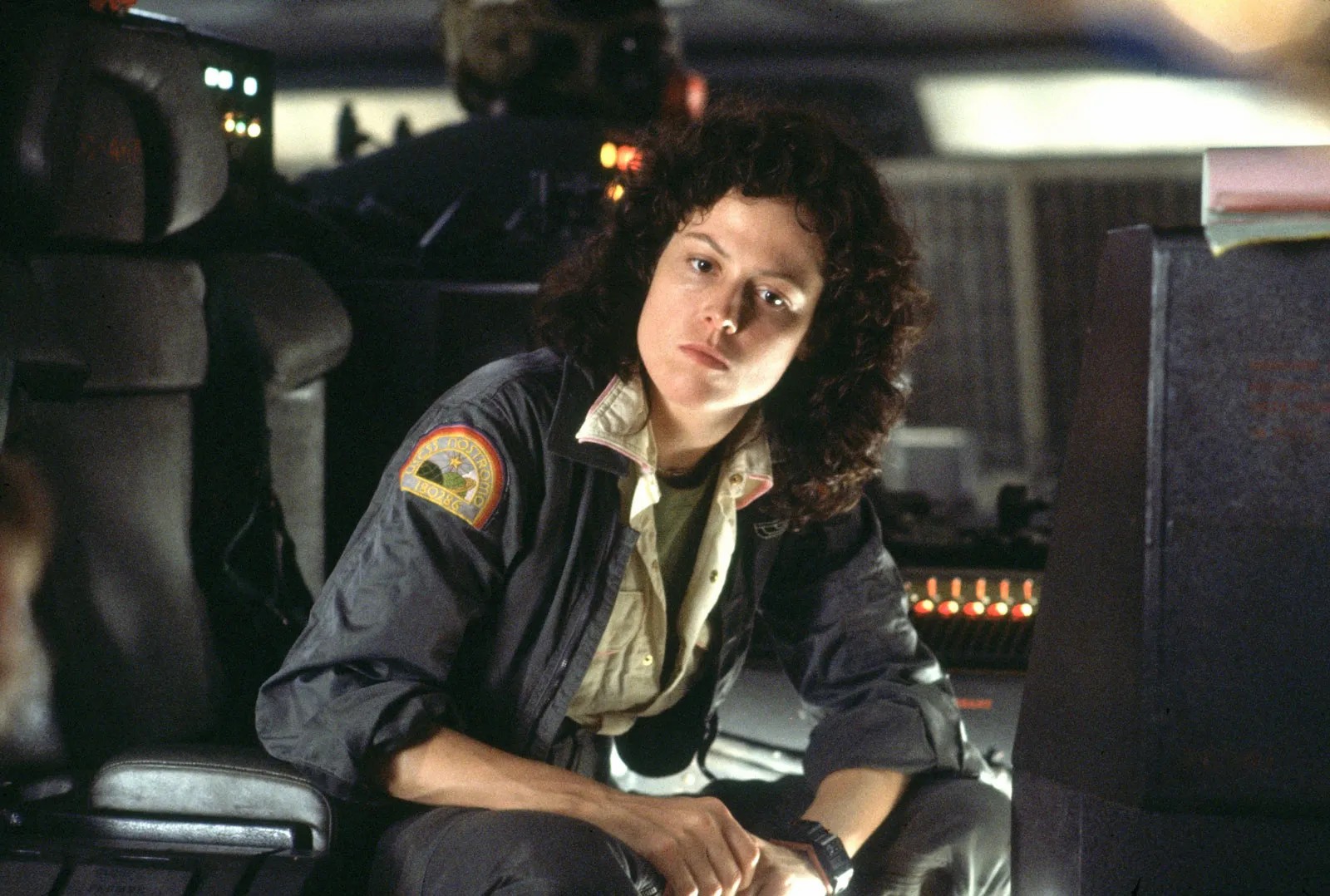
At the center of the story is Ellen Ripley (Sigourney Weaver), a warrant officer who rises as the film’s unlikely hero, battling the alien in a fight for survival.
Cast
Sigourney Weaver as Ellen Ripley
Tom Skerritt as Dallas
John Hurt as Kane
Veronica Cartwright as Lambert
Harry Dean Stanton as Brett
Ian Holm as Ash
Yaphet Kotto as Parker
What Made Alien Revolutionary
1. The Blend of Genres – Alien seamlessly combined science fiction with horror, creating a new subgenre: sci-fi horror. The futuristic space setting made the terror even more unsettling.
2. The Monster Design – The Xenomorph, designed by Swiss surrealist H.R. Giger, remains one of the most terrifying and iconic creatures in cinema history. Its life cycle — from Facehugger to Chestburster to fully grown alien — shocked audiences, especially in the infamous chest-bursting scene.
3. A Groundbreaking Heroine – Ripley became one of cinema’s first true action heroines, breaking the mold in a male-dominated genre and inspiring countless characters that followed.
4. Atmosphere Over Action – Unlike later sequels, the original film relied heavily on tension, shadows, and silence. The slow pacing and eerie design of the Nostromo created a sense of inescapable dread.
Reception and Legacy
Alien was both a critical and commercial success, grossing over $184 million worldwide against a modest budget of about $11 million. It won the Academy Award for Best Visual Effects and cemented Ridley Scott as a visionary director.
The film launched a massive franchise that includes sequels (Aliens, Alien³, Resurrection), prequels (Prometheus, Alien: Covenant), crossover films with Predator, and expanded media in games, comics, and novels.
Why It Still Endures
More than four decades later, Alien is still studied and celebrated for its groundbreaking design, atmosphere, and storytelling. Its mix of sci-fi and horror continues to influence filmmakers, and Ripley’s journey remains one of the greatest survival stories in cinema.
Simply put, Alien wasn’t just another monster movie — it was the beginning of a cultural phenomenon.
