




Everwood: The Forgotten Drama That Deserves a Second Look
In the early 2000s, The WB was known for delivering heartfelt, character-driven dramas like Gilmore Girls, One Tree Hill, and Smallville. Among these was Everwood, a series that, despite critical acclaim and a loyal fanbase, has largely faded from mainstream memory. Running for four seasons from 2002 to 2006, Everwood was an emotional, well-written drama that tackled themes of family, grief, love, and self-discovery.
Here’s why Everwood deserves to be remembered and why it’s worth revisiting today.
A Small-Town Story with Big Emotions
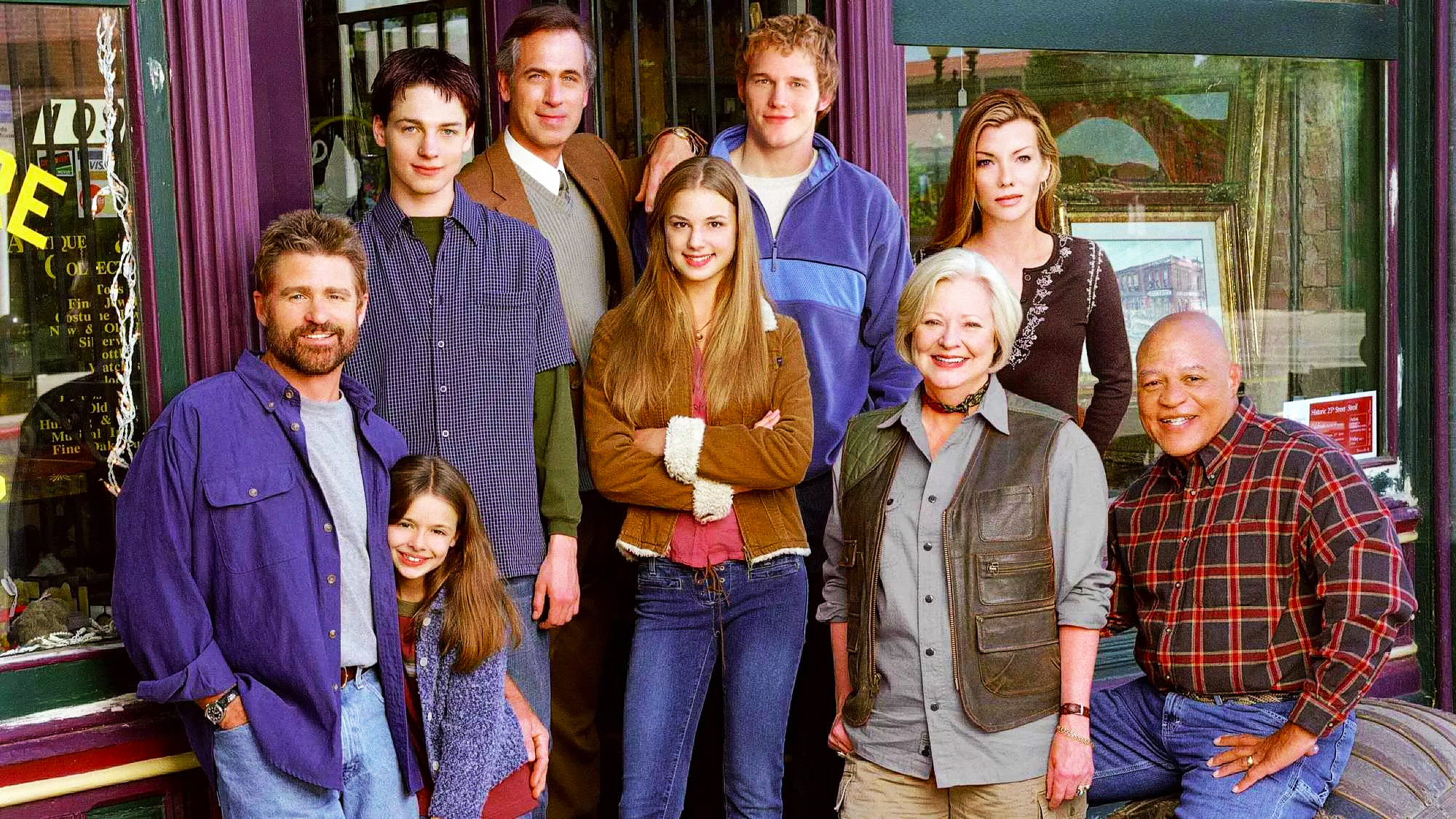
The series follows Dr. Andy Brown (Treat Williams), a world-renowned neurosurgeon who uproots his life in New York City after the tragic death of his wife. Seeking a fresh start and a chance to reconnect with his two children, 15-year-old Ephram (Gregory Smith) and 9-year-old Delia (Vivien Cardone), Andy moves the family to the quiet town of Everwood, Colorado.
Struggling to adjust to small-town life, Andy opens a free medical clinic, much to the dismay of local doctor Harold Abbott (Tom Amandes), whose practice suddenly faces unexpected competition. Meanwhile, Ephram wrestles with his own grief, ambitions as a pianist, and his complicated feelings for Amy Abbott (Emily VanCamp), Harold’s daughter.
Through deeply emotional storytelling, Everwood explored themes of loss, healing, and the complexity of human relationships, making it one of the most poignant dramas of its time.
A Stellar Cast That Delivered
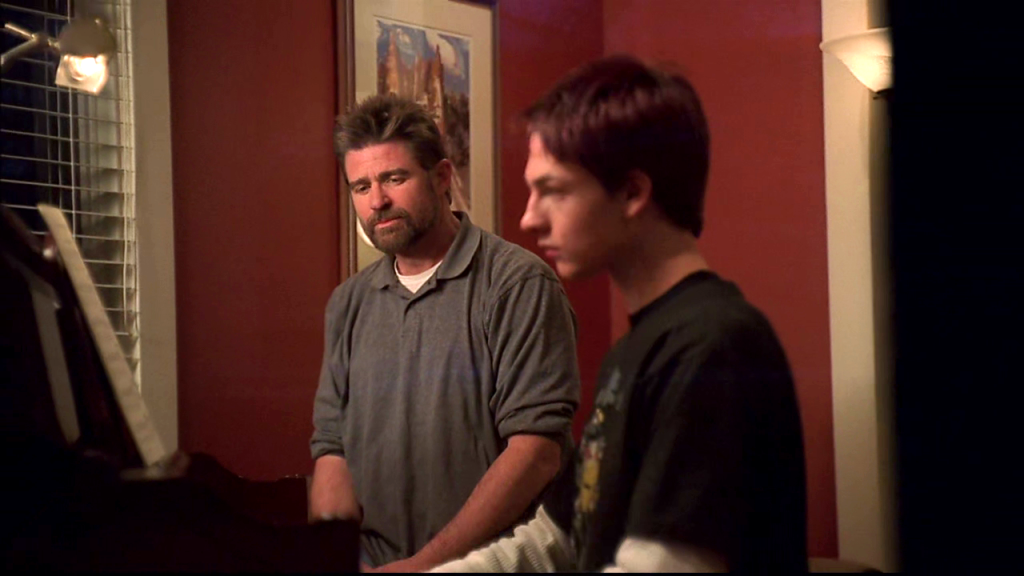
One of Everwood’s greatest strengths was its cast, led by the late Treat Williams, whose performance as Dr. Andy Brown was layered and heartfelt. His chemistry with Gregory Smith (Ephram) added depth to the show’s central father-son dynamic.
Emily VanCamp, who later found greater fame in Revenge and the Marvel Cinematic Universe, gave a standout performance as Amy Abbott, who dealt with her own struggles, including depression and family issues. The supporting cast, including Tom Amandes as Dr. Harold Abbott and Debra Mooney as his mother Edna, provided additional emotional weight and small-town charm.
The show also featured early appearances from future stars like Chris Pratt, who played Bright Abbott, Amy’s brother.
Critical Acclaim but Network Struggles
Despite its strong writing and emotional depth, Everwood often flew under the radar compared to other WB shows like Dawson’s Creek or Smallville. Critics praised its storytelling, tackling serious issues such as grief, teen pregnancy, mental health, and family dynamics with maturity and sincerity.
However, its slower pace and focus on character-driven drama meant it didn’t attract the same level of mainstream attention. When The WB merged with UPN to create The CW in 2006, Everwood was one of the casualties. Despite a devoted fanbase rallying to save it, the network ultimately chose to renew 7th Heaven instead, leading to Everwood’s abrupt cancellation after Season 4.
A Show That Deserves More Recognition
Though Everwood didn’t leave behind a legacy as widely celebrated as some of its contemporaries, it remains one of the most heartfelt and well-crafted dramas of the early 2000s. It delivered powerful performances, emotional storytelling, and a small-town atmosphere that made it feel warm yet deeply real.
For those who missed Everwood during its original run, it’s worth discovering—or rediscovering—today. Its themes remain timeless, and its emotional core still resonates, making it one of TV’s most underrated gems.
Everwood: The Forgotten Drama That Deserves a Second Look
In the early 2000s, The WB was known for delivering heartfelt, character-driven dramas like Gilmore Girls, One Tree Hill, and Smallville. Among these was Everwood, a series that, despite critical acclaim and a loyal fanbase, has largely faded from mainstream memory. Running for four seasons from 2002 to 2006, Everwood was an emotional, well-written drama that tackled themes of family, grief, love, and self-discovery.
Here’s why Everwood deserves to be remembered and why it’s worth revisiting today.
A Small-Town Story with Big Emotions
The series follows Dr. Andy Brown (Treat Williams), a world-renowned neurosurgeon who uproots his life in New York City after the tragic death of his wife. Seeking a fresh start and a chance to reconnect with his two children, 15-year-old Ephram (Gregory Smith) and 9-year-old Delia (Vivien Cardone), Andy moves the family to the quiet town of Everwood, Colorado.
Struggling to adjust to small-town life, Andy opens a free medical clinic, much to the dismay of local doctor Harold Abbott (Tom Amandes), whose practice suddenly faces unexpected competition. Meanwhile, Ephram wrestles with his own grief, ambitions as a pianist, and his complicated feelings for Amy Abbott (Emily VanCamp), Harold’s daughter.
Through deeply emotional storytelling, Everwood explored themes of loss, healing, and the complexity of human relationships, making it one of the most poignant dramas of its time.
A Stellar Cast That Delivered
One of Everwood’s greatest strengths was its cast, led by the late Treat Williams, whose performance as Dr. Andy Brown was layered and heartfelt. His chemistry with Gregory Smith (Ephram) added depth to the show’s central father-son dynamic.
Emily VanCamp, who later found greater fame in Revenge and the Marvel Cinematic Universe, gave a standout performance as Amy Abbott, who dealt with her own struggles, including depression and family issues. The supporting cast, including Tom Amandes as Dr. Harold Abbott and Debra Mooney as his mother Edna, provided additional emotional weight and small-town charm.
The show also featured early appearances from future stars like Chris Pratt, who played Bright Abbott, Amy’s brother.
Critical Acclaim but Network Struggles
Despite its strong writing and emotional depth, Everwood often flew under the radar compared to other WB shows like Dawson’s Creek or Smallville. Critics praised its storytelling, tackling serious issues such as grief, teen pregnancy, mental health, and family dynamics with maturity and sincerity.
However, its slower pace and focus on character-driven drama meant it didn’t attract the same level of mainstream attention. When The WB merged with UPN to create The CW in 2006, Everwood was one of the casualties. Despite a devoted fanbase rallying to save it, the network ultimately chose to renew 7th Heaven instead, leading to Everwood’s abrupt cancellation after Season 4.
A Show That Deserves More Recognition
Though Everwood didn’t leave behind a legacy as widely celebrated as some of its contemporaries, it remains one of the most heartfelt and well-crafted dramas of the early 2000s. It delivered powerful performances, emotional storytelling, and a small-town atmosphere that made it feel warm yet deeply real.
For those who missed Everwood during its original run, it’s worth discovering—or rediscovering—today. Its themes remain timeless, and its emotional core still resonates, making it one of TV’s most underrated gems.
