



Insomnia (2002): A Crime Thriller About Guilt, Morality, and the Shadows of the Mind
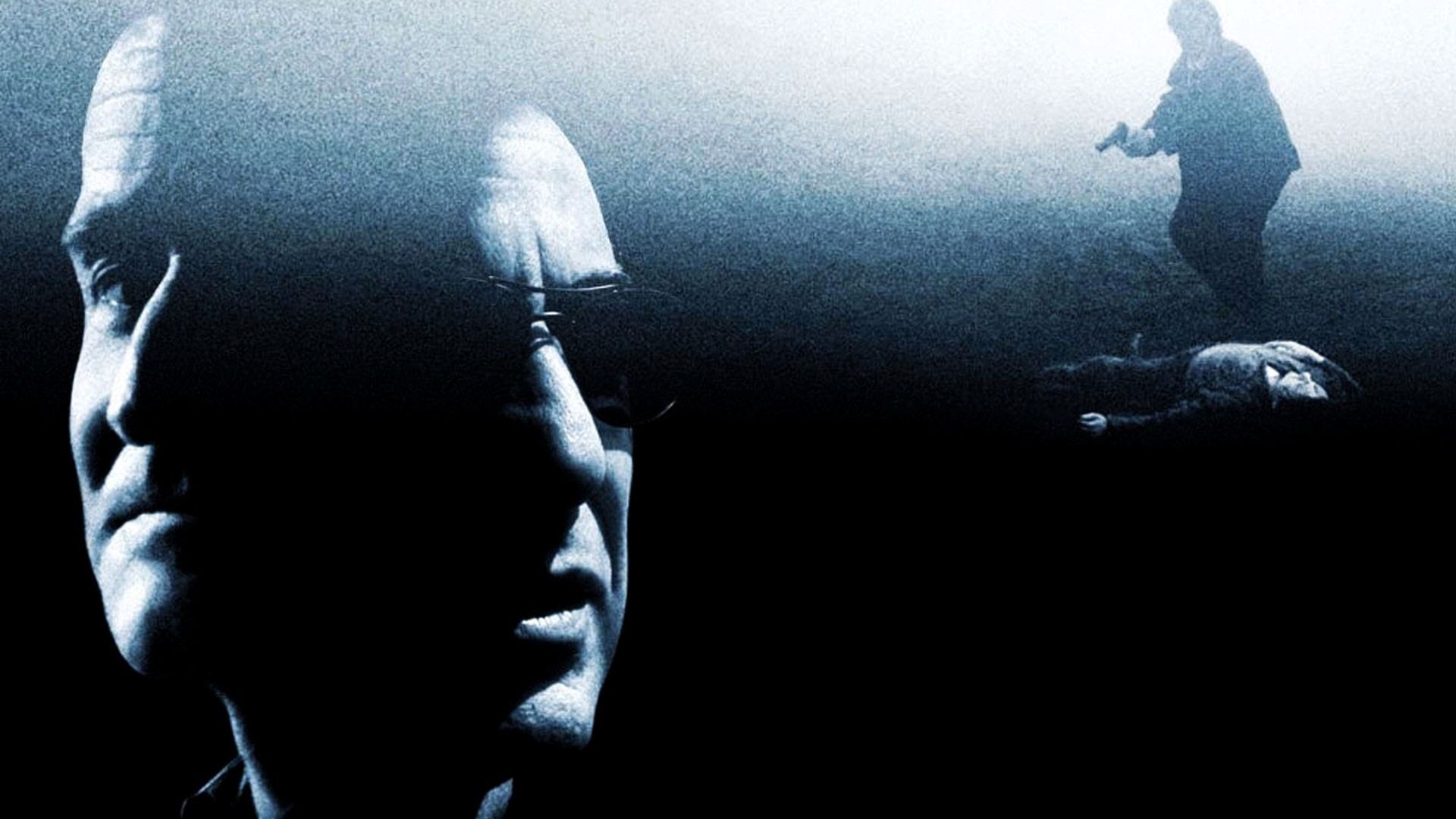
Directed by Christopher Nolan, Insomnia (2002) is a psychological crime thriller that stands apart from conventional detective dramas. Starring Al Pacino, Robin Williams, and Hilary Swank, the film explores how guilt, fatigue, and blurred morality can turn even the most experienced detective into his own worst enemy.
The Story
Set in the small Alaskan town of Nightmute, Insomnia follows Will Dormer (Al Pacino), a seasoned Los Angeles homicide detective sent north with his partner to assist in solving the murder of a teenage girl.
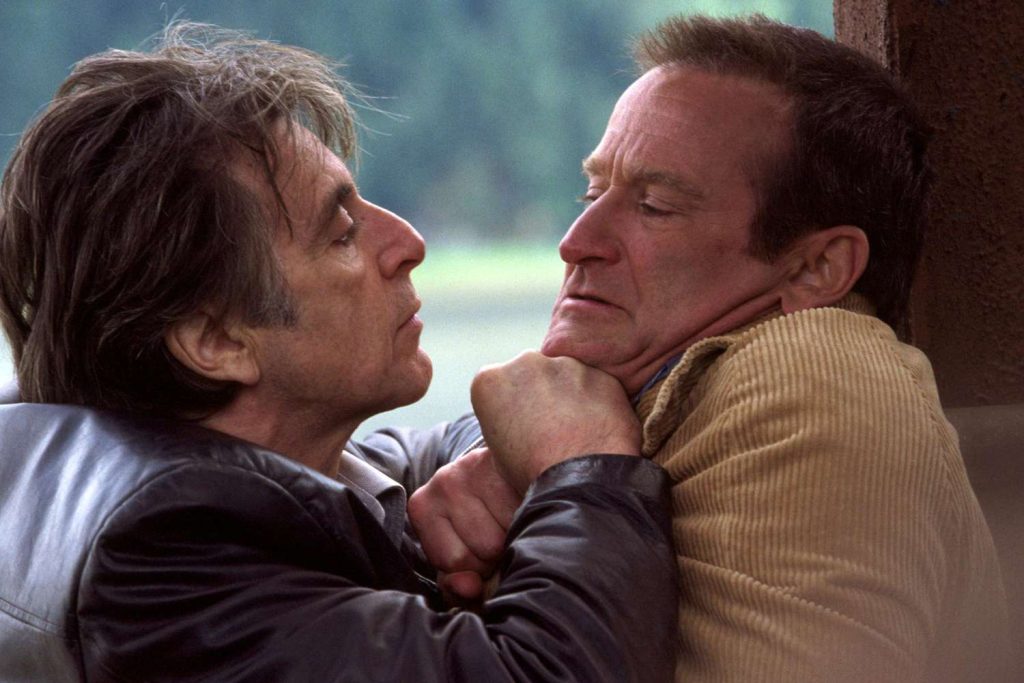
But things take a dark turn when, during a foggy pursuit of the suspect, Dormer accidentally shoots his partner and kills him. Wracked with guilt and unable to confess, Dormer begins covering up his involvement. At the same time, he becomes entangled in a cat-and-mouse game with the actual killer, Walter Finch (Robin Williams), a local crime novelist who knows Dormer’s secret.
Adding to his torment, Dormer is plagued by insomnia, brought on by the unending daylight of the Alaskan summer and his mounting guilt. With his mind unraveling, his moral compass fading, and a determined local officer, Ellie Burr (Hilary Swank), investigating the case, Dormer must face both the killer and his own conscience.
The Cast
- Al Pacino as Detective Will Dormer
- Robin Williams as Walter Finch
- Hilary Swank as Officer Ellie Burr
- Martin Donovan as Detective Hap Eckhart
- Maura Tierney as Rachel Clement
Themes
Insomnia is more than a murder mystery — it’s a psychological exploration of guilt, morality, and the weight of one’s choices:
- The Consequences of Guilt – Dormer’s inability to sleep is a metaphor for how guilt eats away at the mind, never letting him rest.
- Blurred Morality – Both Dormer and Finch justify their wrongdoings in different ways, forcing the audience to question the difference between justice and self-preservation.
- The Battle Within – The real conflict of the film lies not in catching the killer, but in whether Dormer can reconcile with his own actions before they destroy him.
Robin Williams Against Type
One of the most striking elements of Insomnia was Robin Williams’ performance as Walter Finch. Known primarily for comedic and warmhearted roles, Williams turned expectations upside down with his chillingly subdued portrayal of a manipulative killer. His calm, almost ordinary demeanor made Finch all the more unsettling.
Critical Reception
The film was praised for its atmospheric tension, strong performances, and psychological depth. Roger Deakins’ cinematography captured the haunting beauty of Alaska’s endless daylight, amplifying Dormer’s disorientation. Critics also noted Nolan’s ability to ground the thriller in moral ambiguity rather than simple hero-villain dynamics.
While some compared it unfavorably to the 1997 Norwegian original of the same name, Nolan’s Insomnia is often regarded as one of the stronger Hollywood remakes of a foreign film.
Legacy
Though often overshadowed by Christopher Nolan’s later blockbusters like The Dark Knight and Inception, Insomnia remains a vital piece of his filmography. It showcased his skill in character-driven storytelling and proved he could handle Hollywood-scale productions without losing psychological nuance.
For Al Pacino, the role of Will Dormer offered another powerful portrayal of a man conflicted between duty and conscience. For Robin Williams, it marked one of his most memorable ventures into darker roles, alongside One Hour Photo.
Conclusion
Insomnia is not a typical crime thriller. It’s a slow-burning, morally complex character study where the greatest danger isn’t the killer outside, but the torment within. Two decades later, it still stands as a gripping exploration of guilt, deception, and the sleepless nights that come with secrets too heavy to bear.
